Why overthinking and perfectionism keep us from taking the first step
When I first said it, I remember trying to figure out where it came from.
Did I hear it somewhere? Read it? Or did it just show up?
To this day, I don’t know.
“Waiting on perfect is a really long wait.”
If you’ve worked with me, you’ve probably heard it more than once.
It usually comes out when someone is stuck—planning to plan, overthinking, or hesitating to start. From the outside, it looks like procrastination. Sometimes it’s fear. Sometimes it’s just the weight of wanting to get it right.
For me, it’s always been a frustration.
And like most frustrations, it points somewhere inward.
There’s an idea that what bothers you in others often reflects something in yourself.
That one holds up.

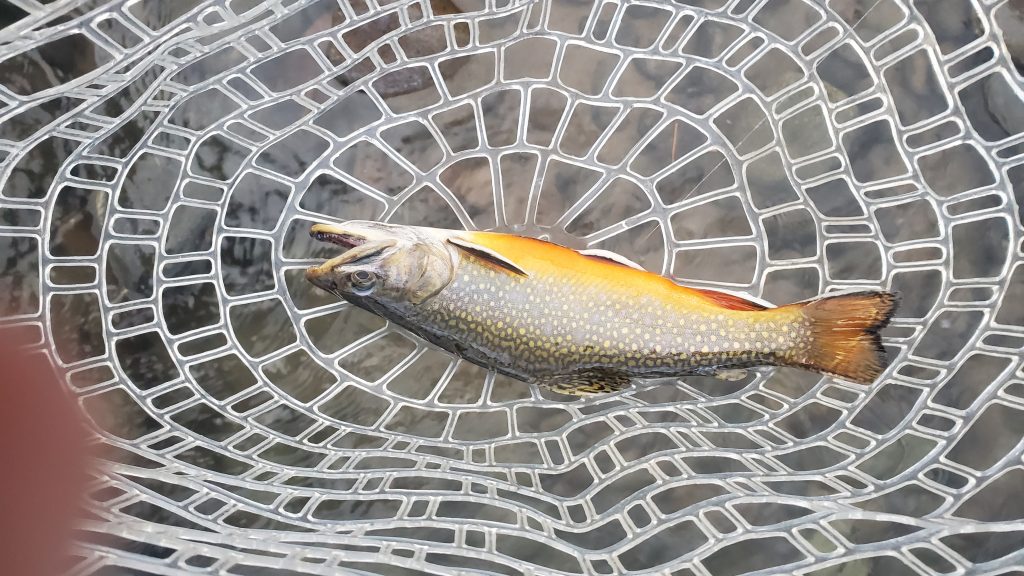
A paradox feels contradictory on the surface but reveals truth when you look closer.
“Waiting on perfect” is one of those.
Because perfection, in human terms, doesn’t really exist as an end state. It behaves more like a horizon—something you move toward but never reach.
That’s why moments of “perfect” stand out. A perfect game. A perfect performance. They’re rare because they aren’t repeatable.
And yet, we wait for them.
We wait for the right time.
The right plan.
The right level of confidence before we act.
It sounds responsible. More often, it’s just delay dressed up as preparation.
I’ve seen it in teams.
Someone takes on a new responsibility and hesitates. They want more information. More certainty. A clearer path before they commit. It’s human—no one wants to fail in front of others.
What’s harder to admit is how often it shows up when no one is watching.
I do it myself. Reworking the plan. Revisiting the logic. Convincing myself one more pass will make it better.
It’s easy to justify.

That’s the paradox.
Because most of what we consider “good” is built the same way—not through perfect execution, but through repetition.
I grew up playing three sports and spent time at the college level. Practice wasn’t about getting it perfect. It was repetition, adjustment, and failure—over and over.
That’s what builds timing. Awareness. Confidence.
Practice is imperfect by definition.
But it’s also the only thing that moves you forward.

Even at the highest levels, it holds.
When Peyton Manning won his second Super Bowl, it didn’t come from a return to perfect form. His physical ability had changed. Instead of waiting to be what he was, he adjusted—leaned into preparation, decision-making, and experience.
Different version. Same outcome.
Not perfect—still effective.
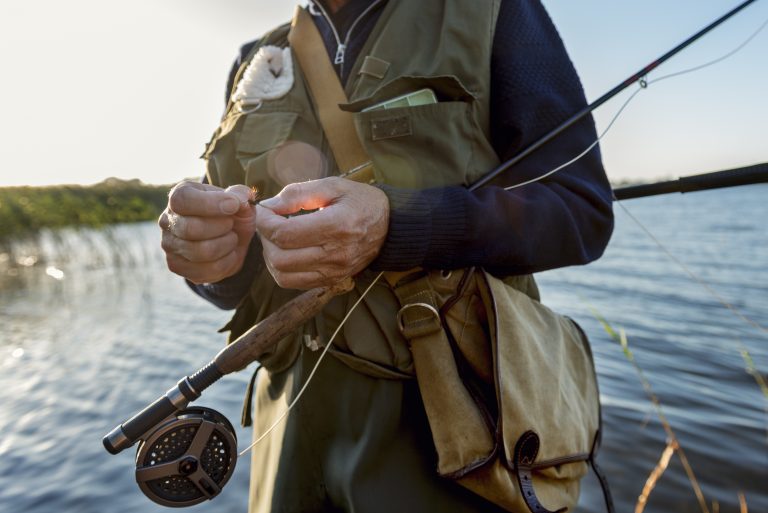
You see the same thing in fishing.
There’s always a reason to wait.
The conditions aren’t right.
The timing is off.
The variables don’t line up.
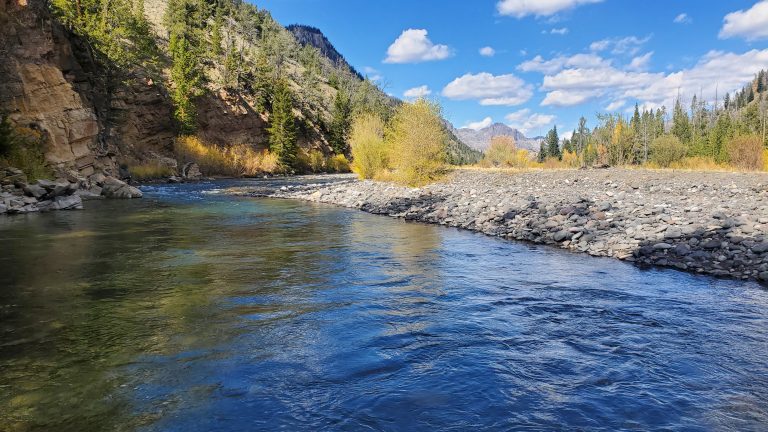
I ran straight into that in 2020 when I picked fly fishing back up.
Was it the right time to take a trip?
Seven days away from work after years without a real break?
During COVID?
I hadn’t spent a full day in a river before—now I was planning seven, hiking miles each day in unfamiliar water.
There were plenty of reasons to wait.
None of them were wrong.
But none of them moved anything forward.
That tension shows up more than we like to admit.
The pressure to perform.
The expectation to get it right.
The internal standard that says if you’re going to do something, it should be done well.
Over time, that standard shifts from a driver to a barrier.
You don’t just want to do it—you want to do it right the first time.
So you wait.
In business, the waiting can look like a commitment to quality.
Real quality doesn’t come from waiting.
It comes from iteration.
From doing the work, seeing where it breaks, and refining it over time.
Trial and error isn’t a threat to quality.
It’s what builds it.

Fly fishing cuts through the clutter when you step into the water.
There’s no perfect cast every time.
No guarantee conditions line up.
No certainty the fish cooperate.
You still step in.
You still make the cast.
And over time, something improves—not because you waited, but because you didn’t.
So the paradox resolves itself.
Waiting on perfect feels safe.
But it guarantees nothing changes.
Without action, there’s nothing to refine.
Without repetition, there’s no progress.
Without starting, there’s no path forward.
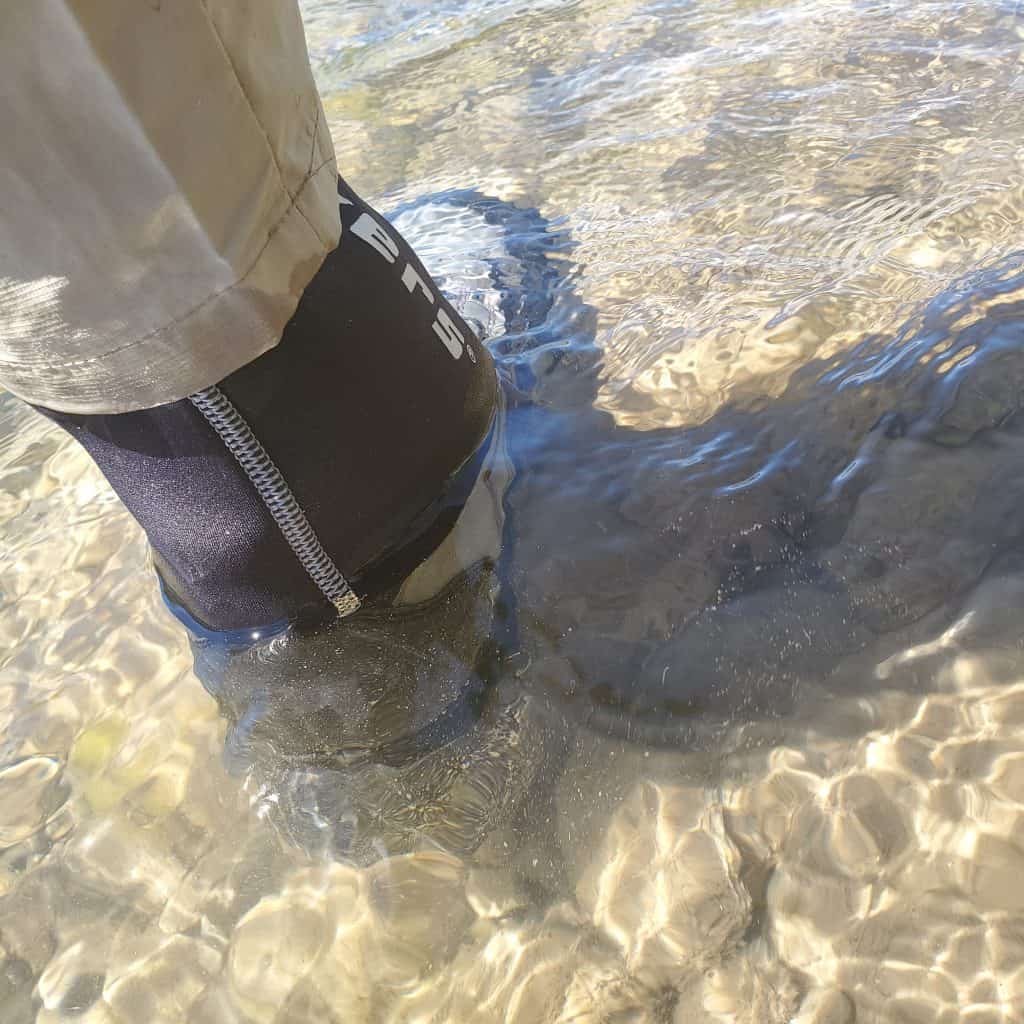

Every “perfect” question we ask ourselves has the same answer.
Not more time.
Not better conditions.
Not a flawless plan.
The first imperfect step.