A Fly Fishing Lesson in Change
Are you really open to change—or just comfortable with what you know?
I’ve always believed I was open to new ideas—willing to grow, willing to adapt. And maybe that’s true in some ways. But when I really look at it, fear and risk tend to show up when it’s time to choose a new path or skill. Especially when the old way still kind of works.
As usual, fishing has a way of revealing the truth.
Small Streams, Small Stakes
I grew up fishing the small waters of Appalachia. Landing a 6–8″ trout was considered a success. A fish that size doesn’t really test your rod, your reel, or honestly, your skill at setting up your rig. That said, fishing a tight little stream full of aggressive rainbows is a blast. But once they’re hooked, it’s not exactly a fair fight.
Why Knot Choice Matters in Fly Fishing
When you move from small streams to larger Western rivers, knot strength becomes critical. Bigger water, stronger fish, and longer fights expose weaknesses that small-water fishing can quietly hide—especially when you rely on familiar techniques that have never really been tested.
Bigger Water, Bigger Lessons
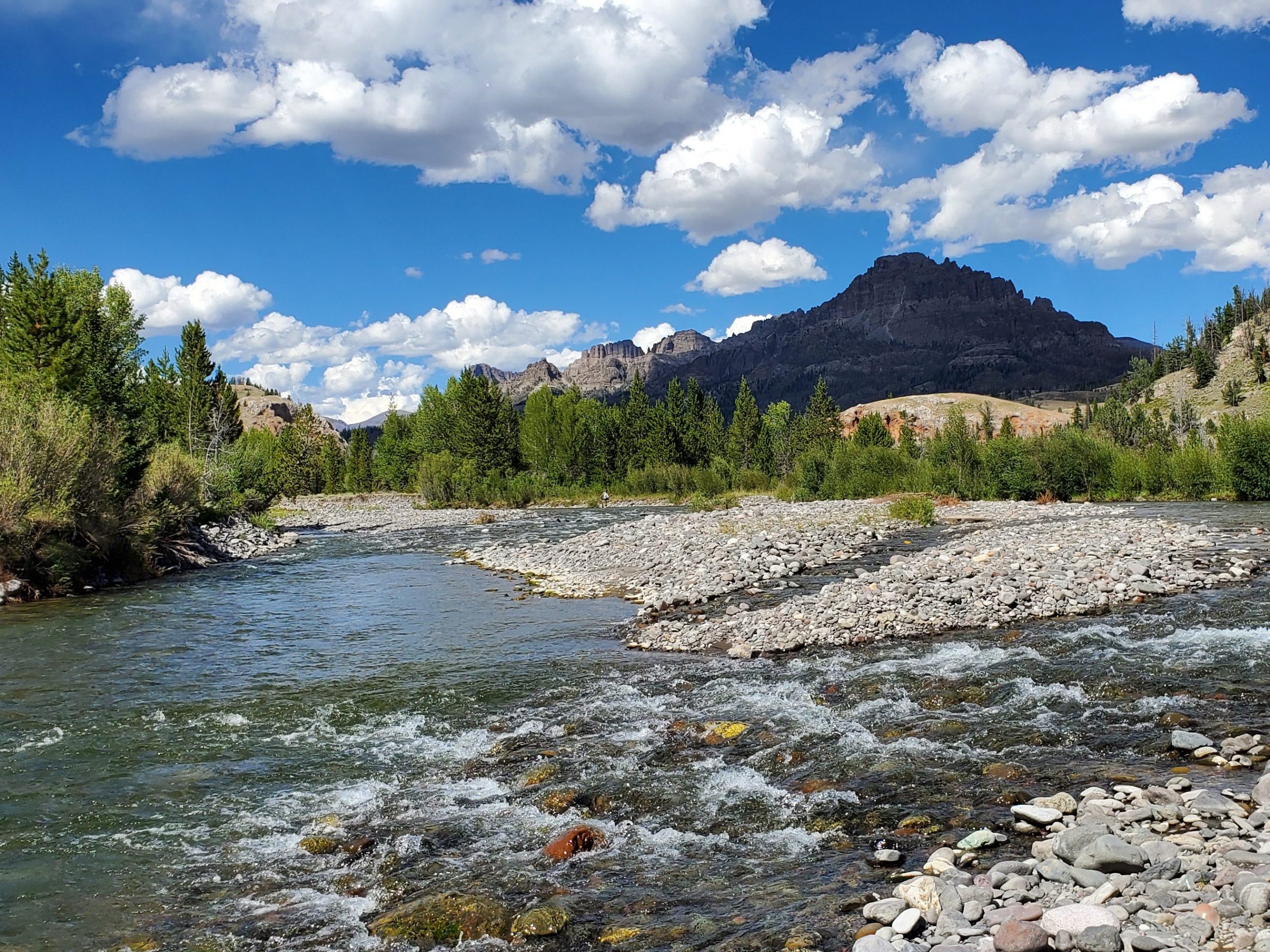
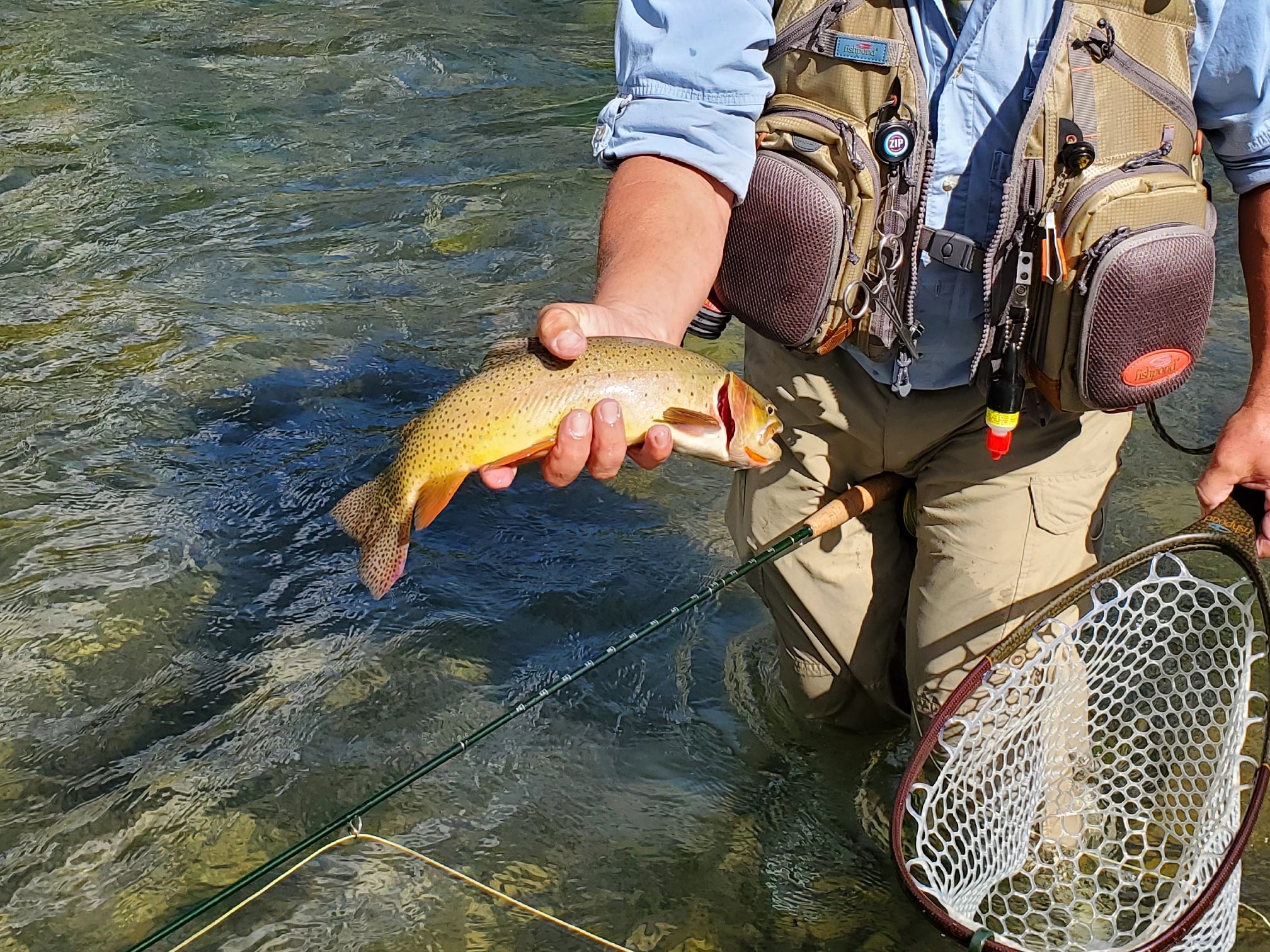
Fast forward to a recent trip out West—to the big waters of Wyoming—where the trout are 16 to 20 inches and lurking around nearly every bend. The stakes are different. The fight is real. And the margin for error is much smaller.
After decades fishing Appalachian waters, I didn’t realize how much those familiar conditions had been protecting my habits.
One of my first lessons was about change—specifically, being willing to change how I set up my rig. Something as basic as that.
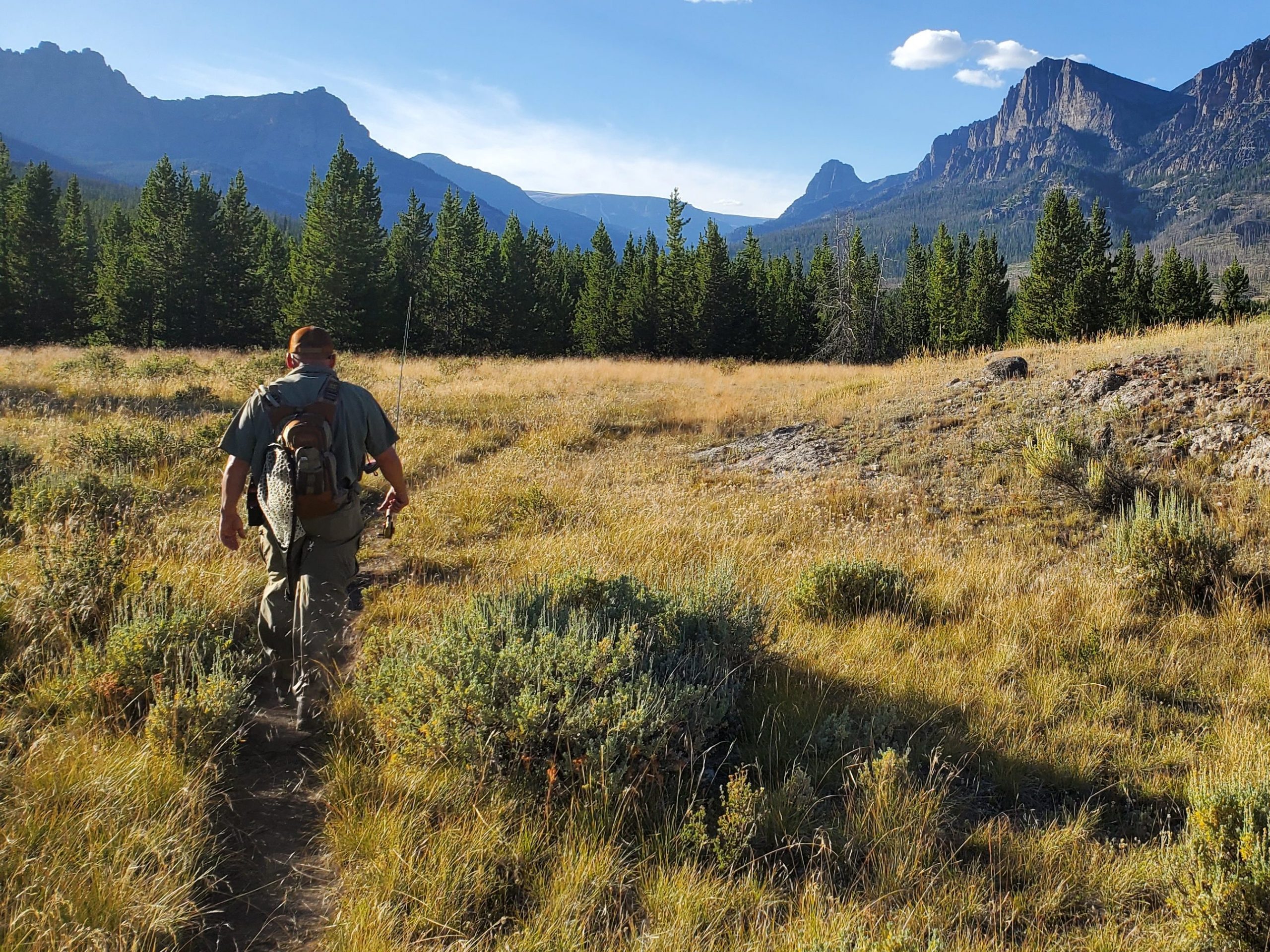
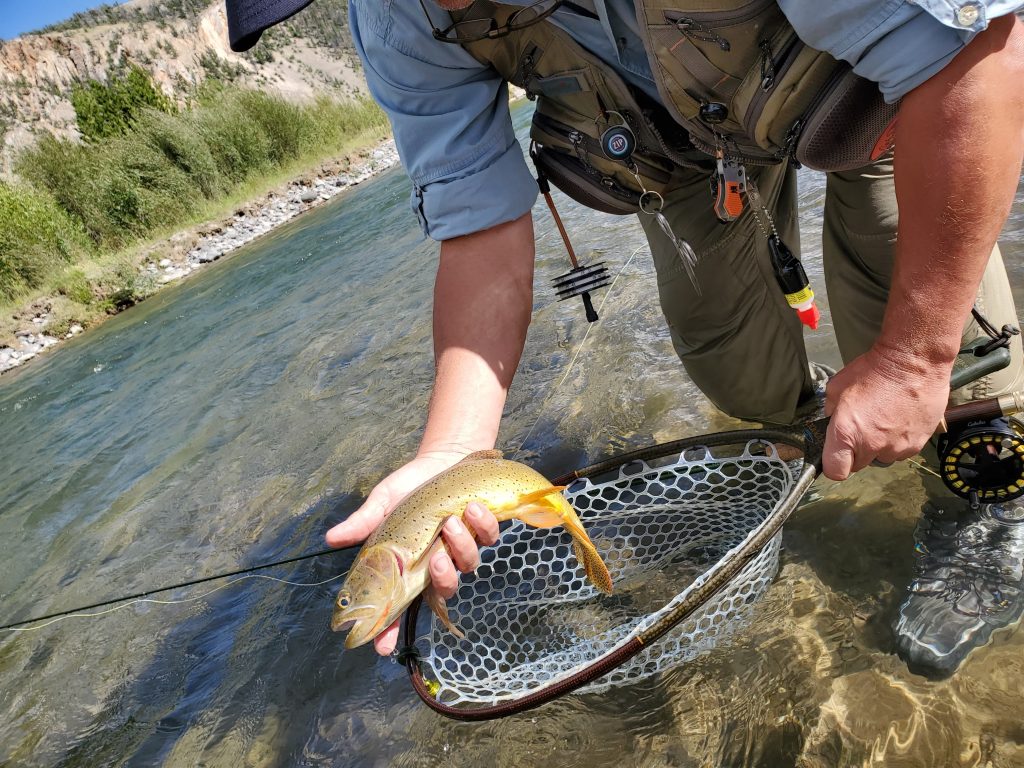
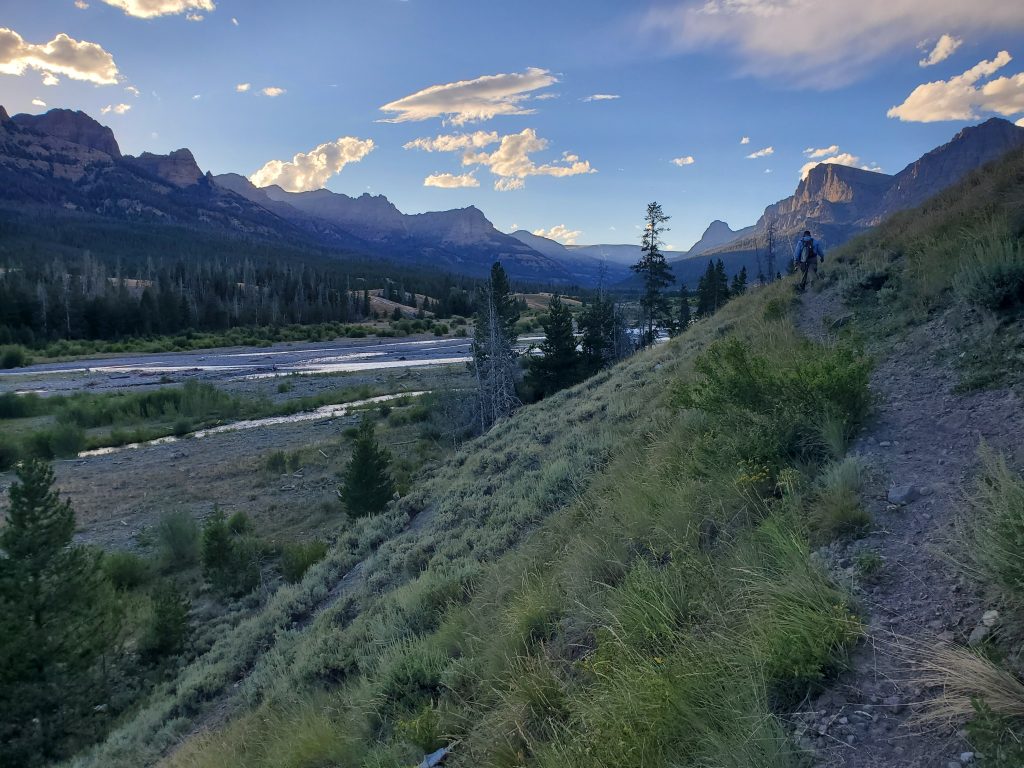
I loved the open space, the freedom to cast wide without snagging branches two feet behind me. It was a welcome contrast to the overgrown streams I was used to. I landed a few solid 12–14″ cutthroat on the first day, which felt like a win.
But every time I hooked into a truly big fish, the same thing happened: the knot failed.
The Knot That Kept Failing
I grew up using the classic Clinch knot. Even when I was only getting on the water once or twice a year, I could tie a respectable version. Still, I was never fully confident in it. Every time I got a strike, a part of me braced for the knot to give out.
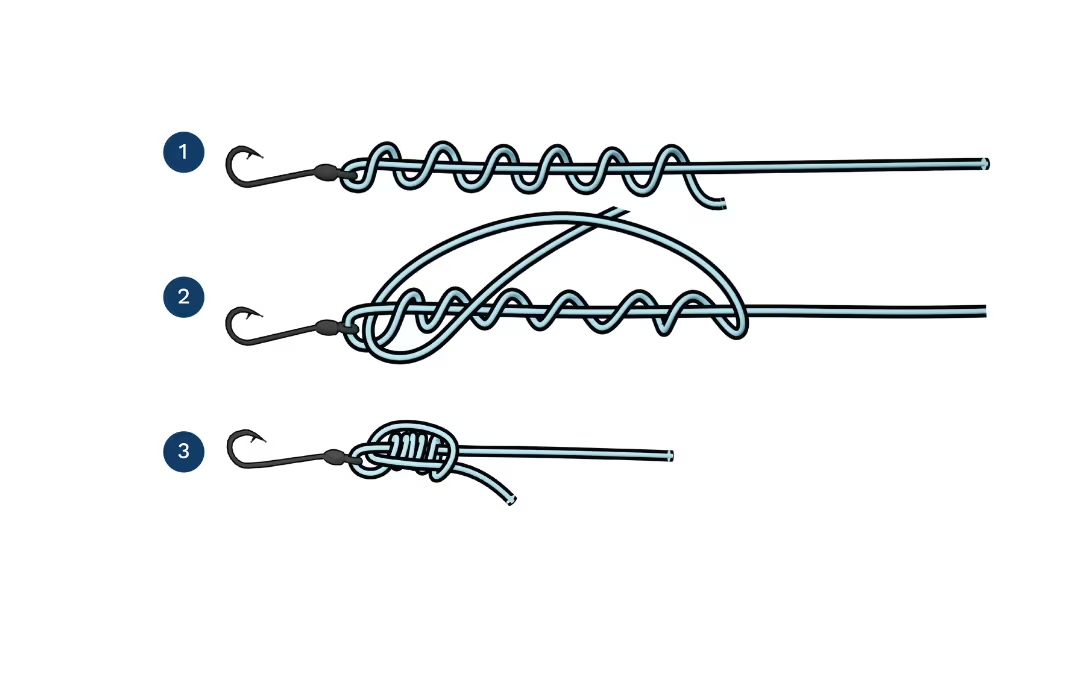
I knew there was a newer, Improved Clinch knot. I’d even tried it before. But that last turn of the line had always caused frustration—resulting in re-ties, wasted time, and missed casts. So, I convinced myself to stick with what I knew. Just tie it better. Try harder. Sound familiar?
When a Friend Tells the Truth
Toward the end of the day, my fishing buddy—someone who’s tied more knots than he could probably count—walked up along the bank and asked the usual question:
“Any luck?”
I was glad to say yes. I told him about the few nice trout I’d landed. Then I admitted that a couple big ones had broken off when my knot failed.
He nodded, then offered a simple, quiet suggestion:
“You know there’s an improved version of the Clinch knot that might help.”
Defensive, I shot back:
“Yeah, I know.”
That’s when a good friend becomes a great friend—when they offer the hard truth anyway.
He paused, looked at me, and said:
“You know there’s a better version… but you choose not to use it?”
~ friend willing to say the obvious
Then he turned upstream and walked away, leaving me standing there—knee-deep in cold water—with that one sentence echoing in my head.
What Habit Are You Holding On To — and Why?
Because trying something new takes work. It might not feel natural at first. It might even cause us to fail more, temporarily. But at some point, we have to ask:
Why do we do that?
I stood there in the middle of the river, quietly thinking about all the places in life where I default to what I know—even when it consistently lets me down.
Are we holding on to old methods, habits, or mindsets… simply because they’re familiar?
Because knowing there’s a better way—and still choosing the old one—isn’t just a fishing problem. It’s a life problem.
Moments like that—knee-deep in cold water, replaying a simple sentence—are what I think of as catching frontiers.
They’re the edges where what we know stops working. Where habits that once carried us quietly fail. And where something better is waiting—if we’re willing to slow down, pay attention, and change.
Coming from years in the manufacturing and corporate world, I’ve learned those moments don’t only happen in boardrooms or under production deadlines. Sometimes they show up far from a desk—when the noise is gone and the pressure finally lets go enough for clarity to surface..
What this trip taught me
- Bigger water exposes habits that small environments hide
- Familiar techniques can fail quietly—until the stakes rise
- Small, intentional changes often unlock the biggest growth
Sometimes, the hardest part of getting better—on the river or at work—is being willing to tie a new knot.
For anyone who lives in deadlines, meetings, and constant problem-solving, time on the water isn’t an escape—it’s a reset. The kind that lets your mind work in the background, free from pressure, often delivering the breakthrough you couldn’t force at the desk.
What about you?
Is there a “knot” you keep tying the old way—even though you know there’s a better one?
Drop a comment or send a note—I’d love to hear your version of this story.